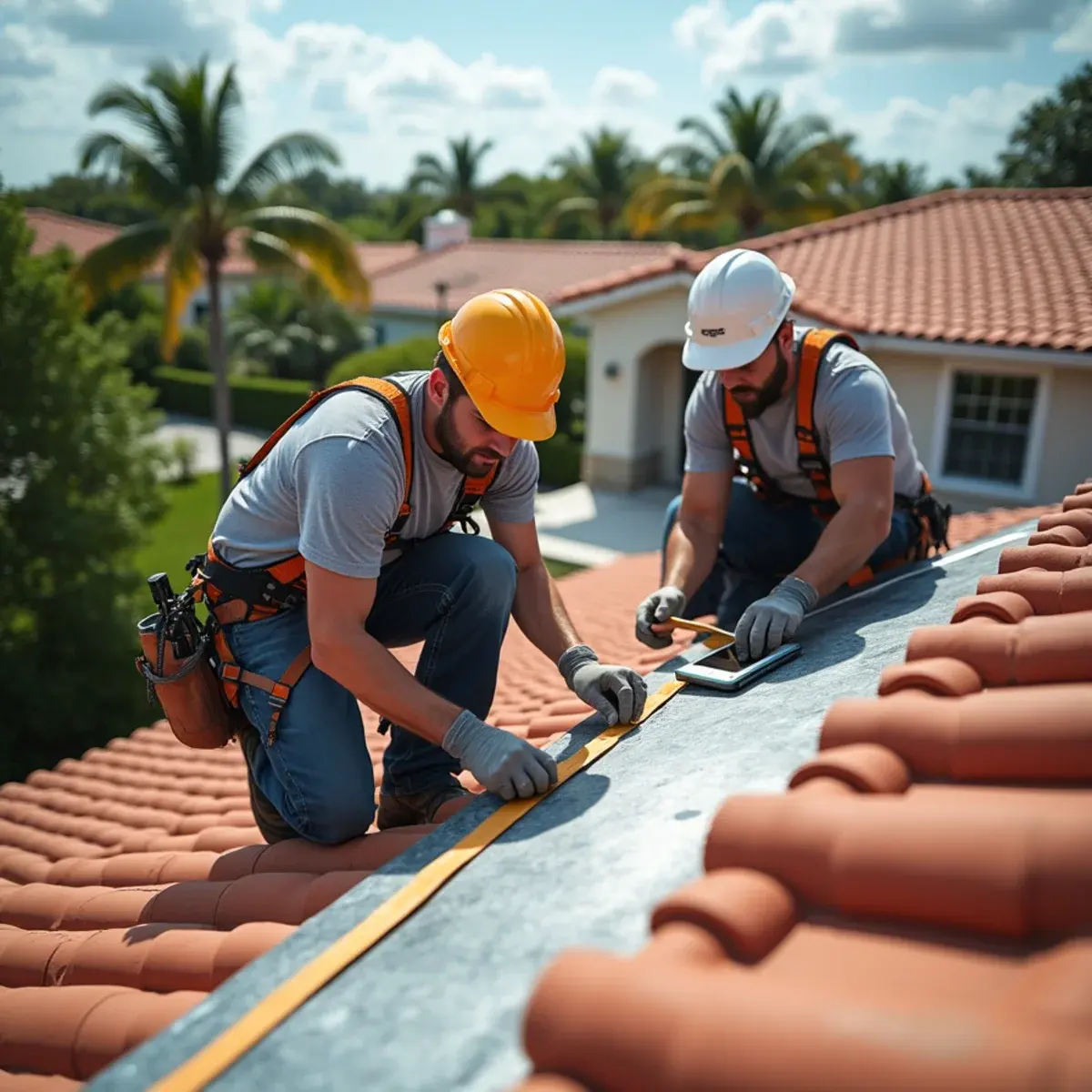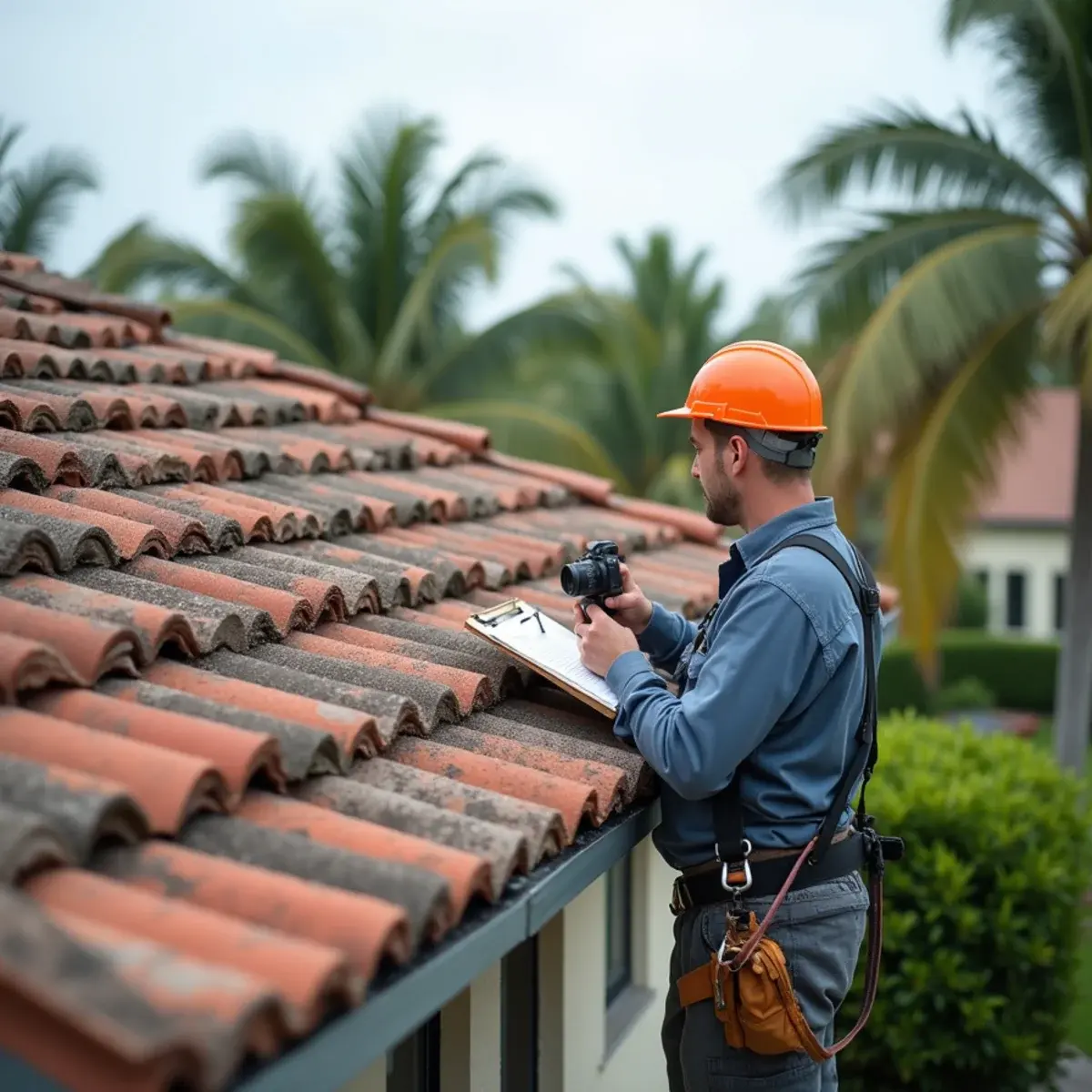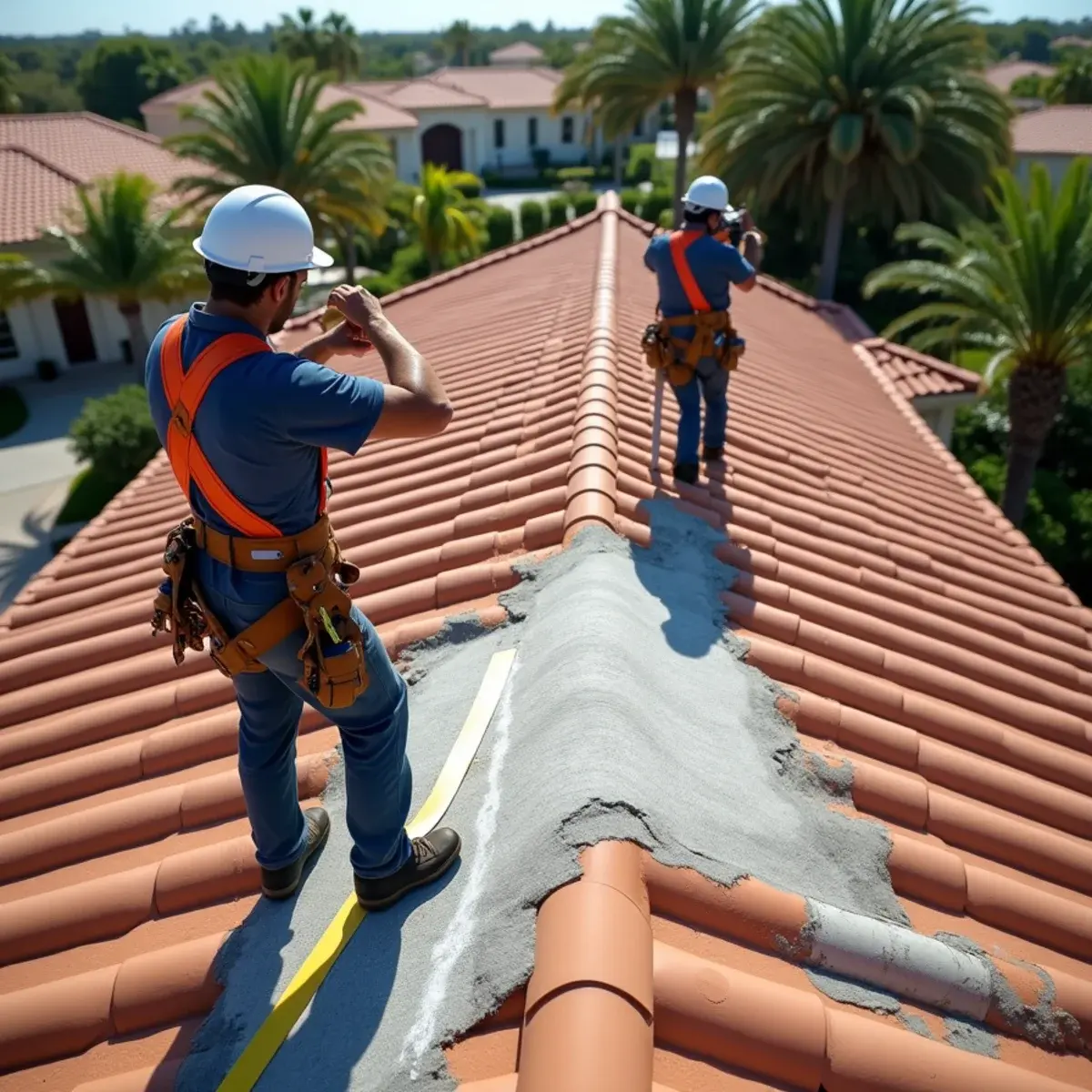
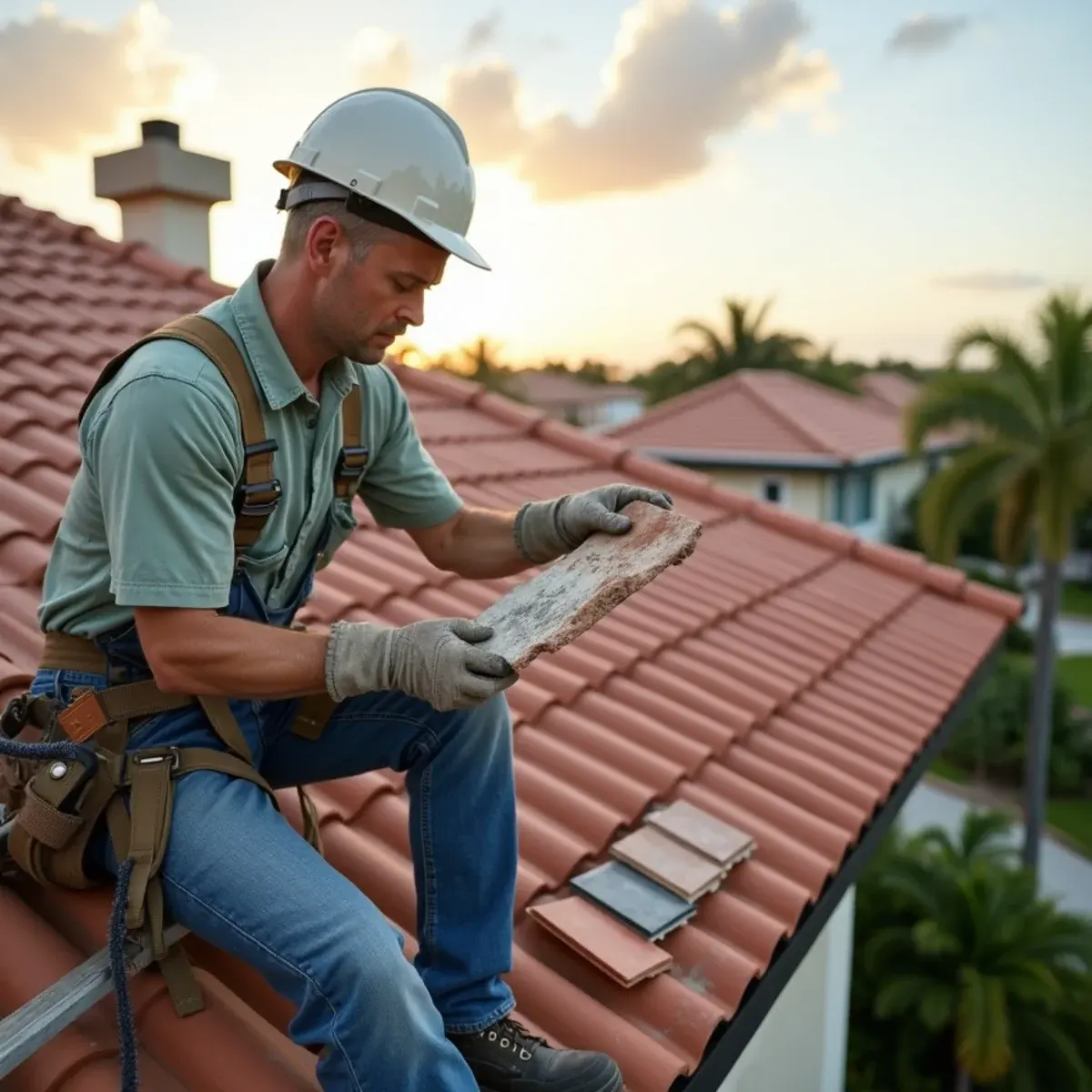
You can usually match a discontinued roof tile closely enough for an HOA to approve it, but it rarely comes from a single new product. Roofers combine three methods: finding the nearest current profile and color, sourcing reclaimed tile of the same model, and moving original tile from hidden slopes to the slopes people see.
In Boca Raton, where most associations fix both tile profile and color, the matching work and the architectural review submission go hand in hand. Here is how each part works and how to plan the timing.
Why Tiles Get Discontinued and Why Matching Is Hard
Tile manufacturers retire profiles, change color blends and close plants. A roof installed in the 1980s or 1990s across the country-club communities may use a profile or color nobody has made in years. Even when the same name is still sold, the color recipe has often changed.
Age adds a second problem. Thirty years of South Florida sun changes how a tile looks, so a brand-new tile in the original color can still stand out next to weathered neighbors. The goal is a match that reads as the same roof from the street, which is what most architectural committees judge.
Identify the tile before shopping
- Flip a tile. Many concrete and clay tiles carry the manufacturer's name, a plant code or a date molded into the underside. A roofer can lift a loose one without damaging the roof.
- Check old paperwork. The original roof permit, the product approval listed on it or a closing package from the home's purchase often names the exact product and color.
- Measure it. Length, width, exposure and profile height narrow the search, because similar-looking tiles from different makers often don't interlock.
Concrete vs Clay: Different Matching Problems
Boca Raton has both, and they behave differently over time.
| Concrete tile | Clay tile | |
|---|---|---|
| Where you find it | 1960s to 1990s subdivisions and country clubs | Old Floresta, the older east side, Mediterranean Revival homes |
| How color ages | Surface color can fade and wear; through-colored tile changes less | Kiln-fired color holds well for decades |
| Main matching issue | Color and surface texture after weathering | Size and shape variation, especially on older barrel tile |
| Reclaimed supply | Fairly common from area tear-offs | Scarcer and more valuable |
Profile and dimensions come first
A tile that looks right but does not fit will not pass inspection or survive wind. Before color, the roofer matches:
- Profile: barrel, S-tile or flat, and the height and spacing of the curve.
- Length, width and exposure: how much of each tile shows once laid.
- Interlock and headlap: how the side lock and the top of each tile engage the next one.
- Weight and thickness: which affect attachment and how the tile sits in the course.
Bringing an intact original tile to a supplier or a reclaimed tile yard saves a lot of guesswork.
Salvaging and Blending Original Tile
Often the best match is the tile already on your house. Most homes have slopes nobody sees from the street: the back of the house, a slope facing a neighbor's wall, or a roof over the garage behind a fence.
Moving tile from hidden slopes
The roofer removes sound original tile from a hidden slope and uses it to repair the visible ones. The hidden slope is then covered with the closest new or reclaimed tile. Many HOAs accept this because the street view stays consistent.
Blending
Where a slope needs only a mix of old and new, the roofer spreads the replacements in a random pattern instead of a solid patch. A patch reads as a repair; scattered tiles tend to disappear from a distance. Blending works best when the replacement color is close and the profile is exact.
The ideal moment for both is a lift and relay. When every tile is coming off anyway for a tile roof underlayment replacement, the roofer can sort the whole roof, set aside breakage and move tile where it matters most.
Tile Yards and Reclaimed Supply
South Florida has businesses that collect tile from tear-offs and resell it, often called tile yards or boneyards. Stock changes week to week, so a profile that is gone today may turn up next month.
When reclaimed tile is an option, the roofer checks:
- Quantity: enough for the job plus extra for breakage during installation.
- Condition: no hairline cracks, flaking or heavy mortar residue that will not clean off.
- Consistency: tile from one roof tends to match better than a mix from several.
- Weathering: reclaimed tile that has aged in the sun often blends better than new tile.
If no supply can be found, the realistic options are a close new tile on hidden slopes with salvage on the front, or a full tile roof replacement in a currently approved product. For a small number of cracked pieces, our tile roof repair page covers how roofers handle spot replacement.
Preparing the HOA Architectural Review Submission
Most Boca Raton associations require approval before roof work starts, even for repairs that change any visible tile. A complete package moves faster than one the committee has to send back.
A typical submission includes:
- The association's application form, with the address and a plain description of the work.
- Photos of the current roof, including the slopes being changed.
- The proposed tile: manufacturer, profile name and color name, or a note that it is reclaimed tile of the original model.
- A sample board or physical tile samples, often set beside an original tile.
- Product approval documents: Florida Product Approval in Palm Beach County, or a Miami-Dade Notice of Acceptance or HVHZ-approved Florida Product Approval for work in Broward.
- The roofer's license and insurance certificate, which the roofer provides.
What Florida law says about HOAs and roofs
Since 2024, Florida Statute 720.3035(6) requires homeowners' associations to adopt hurricane protection specifications, and roof systems recognized by the Florida Building Code that meet ASCE 7-22 standards count as hurricane protection. An association can't deny an application that meets its adopted specifications, but it can still require the roof to follow the community's existing look. In practice, that means the committee can insist on color and profile, which is why matching still matters. This applies to homeowners' associations, not condominiums.
Associations with attached homes add another layer. In Coconut Creek, where townhouse tile runs across several units, the association may control the roof directly or require neighbors' work to be coordinated, and every product must meet HVHZ rules.
Planning the Timing
Approval and sourcing usually take longer than the roof work. Architectural committees often meet on a fixed schedule, so check your association's rules for meeting dates and response times before you plan anything else.
A sensible order is to have the roofer identify the tile and gather samples, submit to the HOA, then file for the building permit once approval is in hand. Ordering new tile or securing reclaimed stock early avoids losing a good match while paperwork moves. Planning outside the June to September wet season also helps, since open roofs and afternoon storms do not mix. If the roof is old enough that the underlayment is also near the end, our guide to how long tile roof underlayment lasts in South Florida can help you decide whether to combine the tile work with a lift and relay.
Options When the Original Tile Can't Be Found
When no stock of the original model turns up, a roofer has a few more cards to play before the conversation turns to a new roof.
Custom reproduction
Some specialty makers reproduce concrete or clay tile from a sample, matching profile and color. It takes time and works best when a sizable quantity is needed, such as a full slope.
Color-matching coatings
New concrete tile can sometimes be coated or stained to sit closer to weathered originals. It changes how the tile ages and may need approval from the association, so ask how the coating holds up in South Florida sun before agreeing to it.
Move the originals to the front
Sound original tiles come off the back slopes and go onto the slopes seen from the street, and the closest new tile goes where nobody looks. Most committees accept this because the street view stays uniform.
Keep spares from every job
After any repair or reroof, store a stack of leftover tiles in the garage. On a discontinued tile, ten spares can save a future repair from becoming a matching project.
When the damage is widespread and the tile is brittle, a tile roof replacement in a tile the association already approves may cost less in time and frustration than chasing a match.
Frequently asked questions
Will my HOA accept a tile that is close but not identical?
Often, yes, if it matches the profile exactly and the color reads as the same roof from the street. Committees usually want a physical sample beside an original tile and photos of where it will go. Using new tile only on hidden slopes, with original tile moved to the front, makes approval much more likely. Your association's written standards are the final word.
Can old concrete tile be painted or coated to match new tile?
Some tile coatings exist, and some associations allow them, but many do not, and a coating needs ongoing upkeep in South Florida sun. It also does not fix a profile mismatch. Ask your HOA before considering it, and have your roofer explain how a coating would affect the tile and the roof over time.
How do I find out who made my roof tile?
Look at the underside of a loose or broken tile, where many manufacturers mold their name, a plant code or a date. Check the original roof permit and its product approval number, or your closing documents. A roofer can also measure the tile and compare the profile against current and discontinued product lines.
What happens if no matching tile can be found anywhere?
Then the choice is usually between replacing whole visible slopes with a new approved tile, or reroofing the entire house in a current product the HOA has approved. Many associations keep a list of approved tiles for exactly this reason. A full reroof is a bigger job, but it ends the matching problem for decades.
The bottom line
Matching a discontinued roof tile is detective work: the right profile first, then the closest color, then salvage and blending to hide the difference. Pair that with a complete HOA submission and most Boca Raton roofs can be repaired without changing their look. If you have a tile you cannot find, call Boca Tile Roof Repair at (773) 207-0769 and we will connect you with a local roofer who can help track it down.