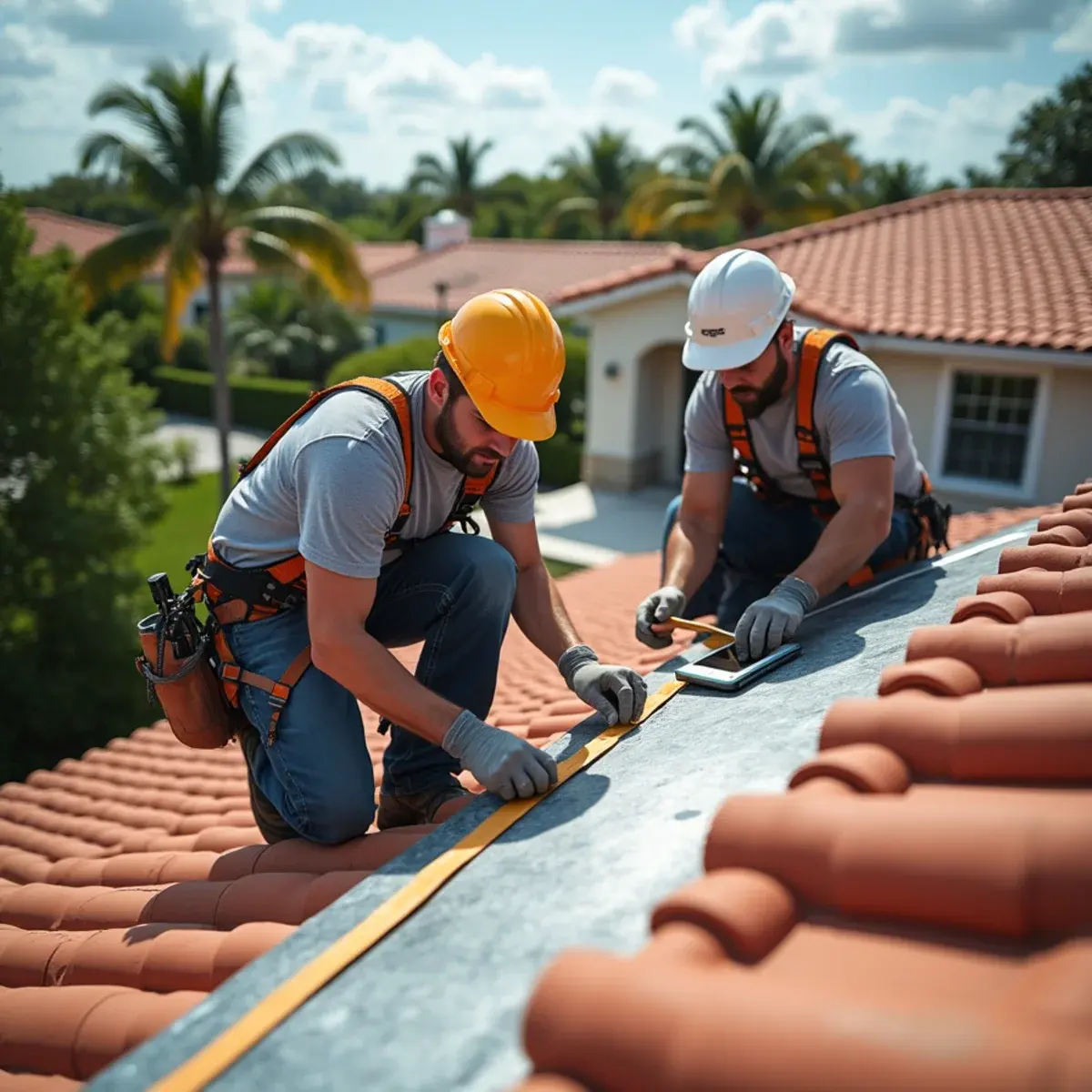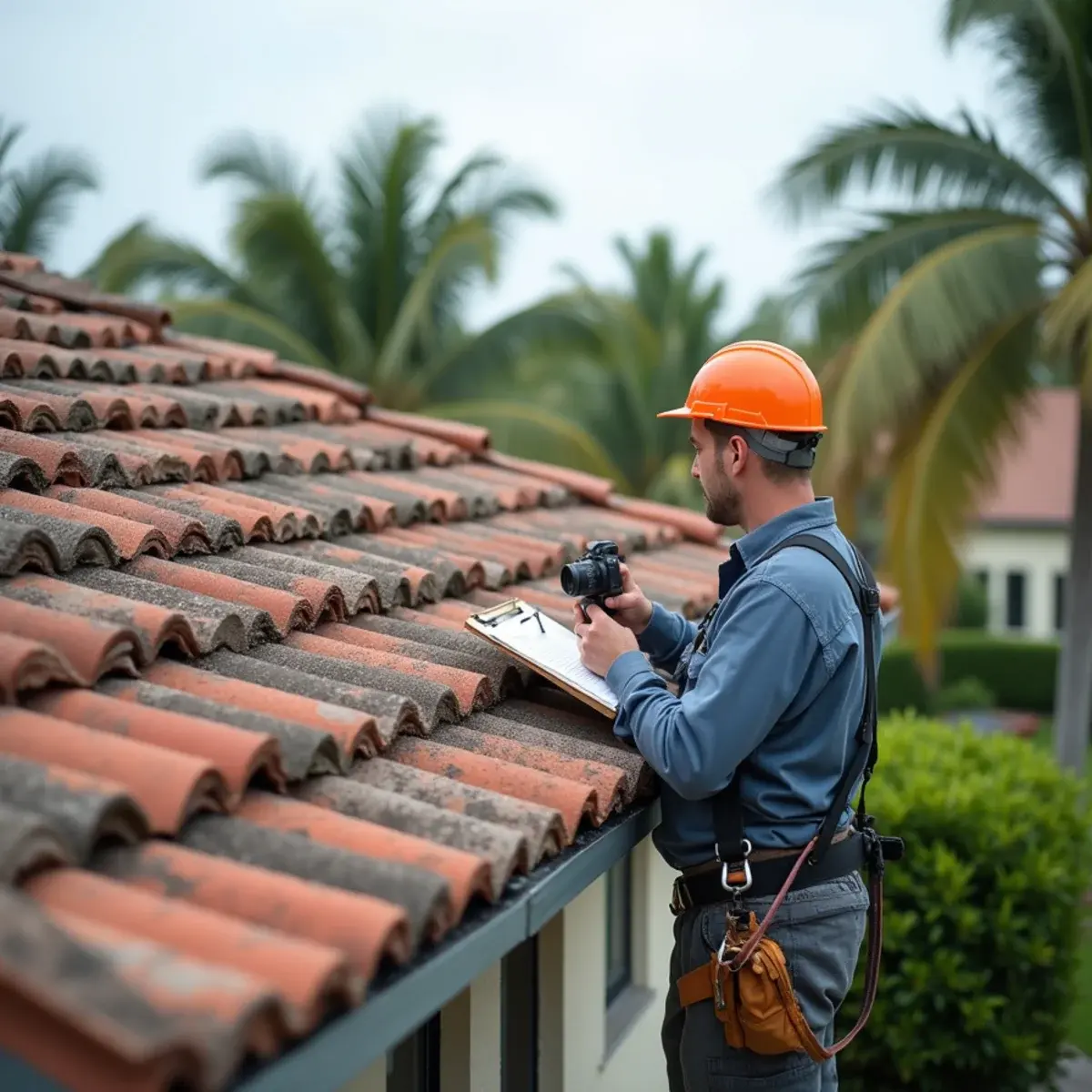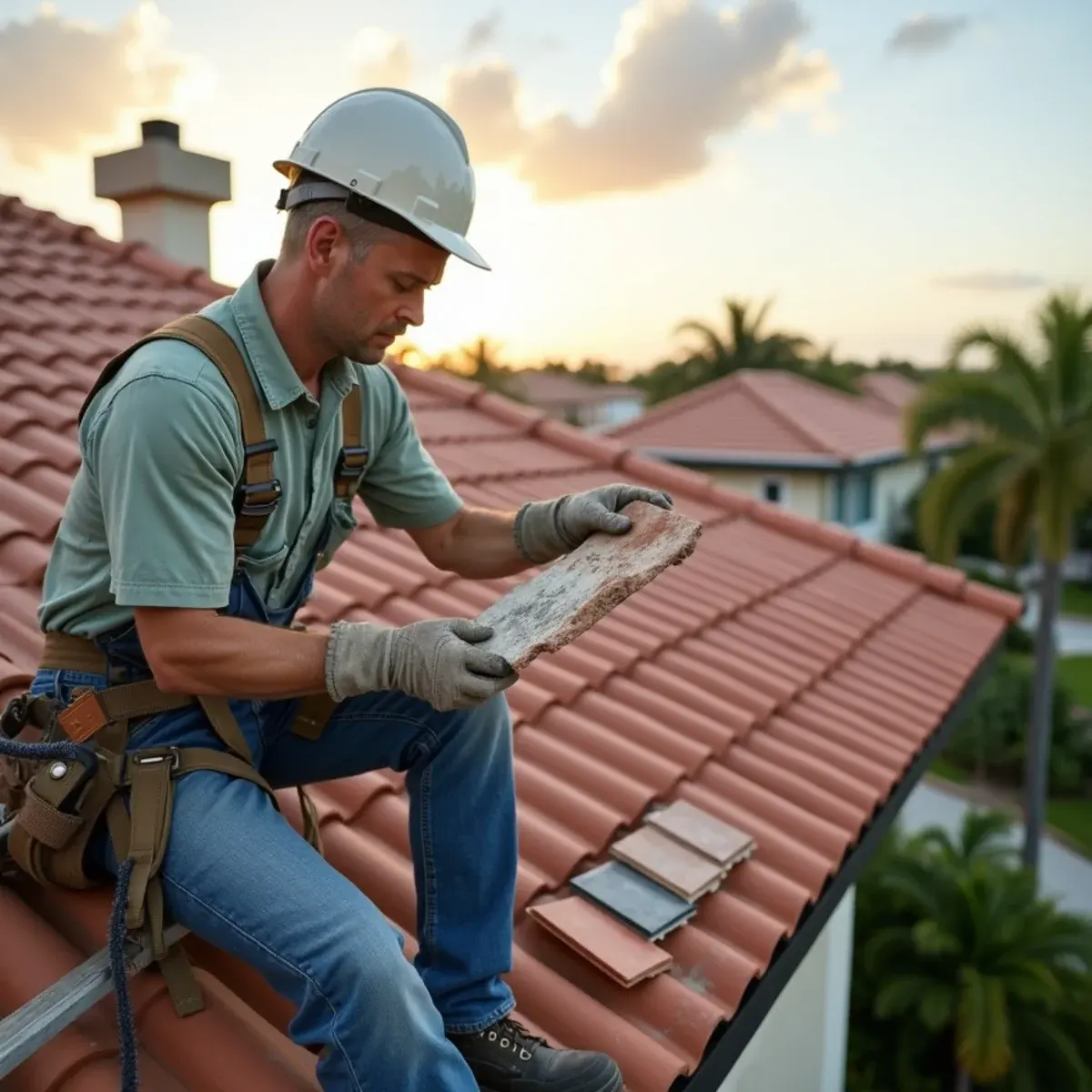
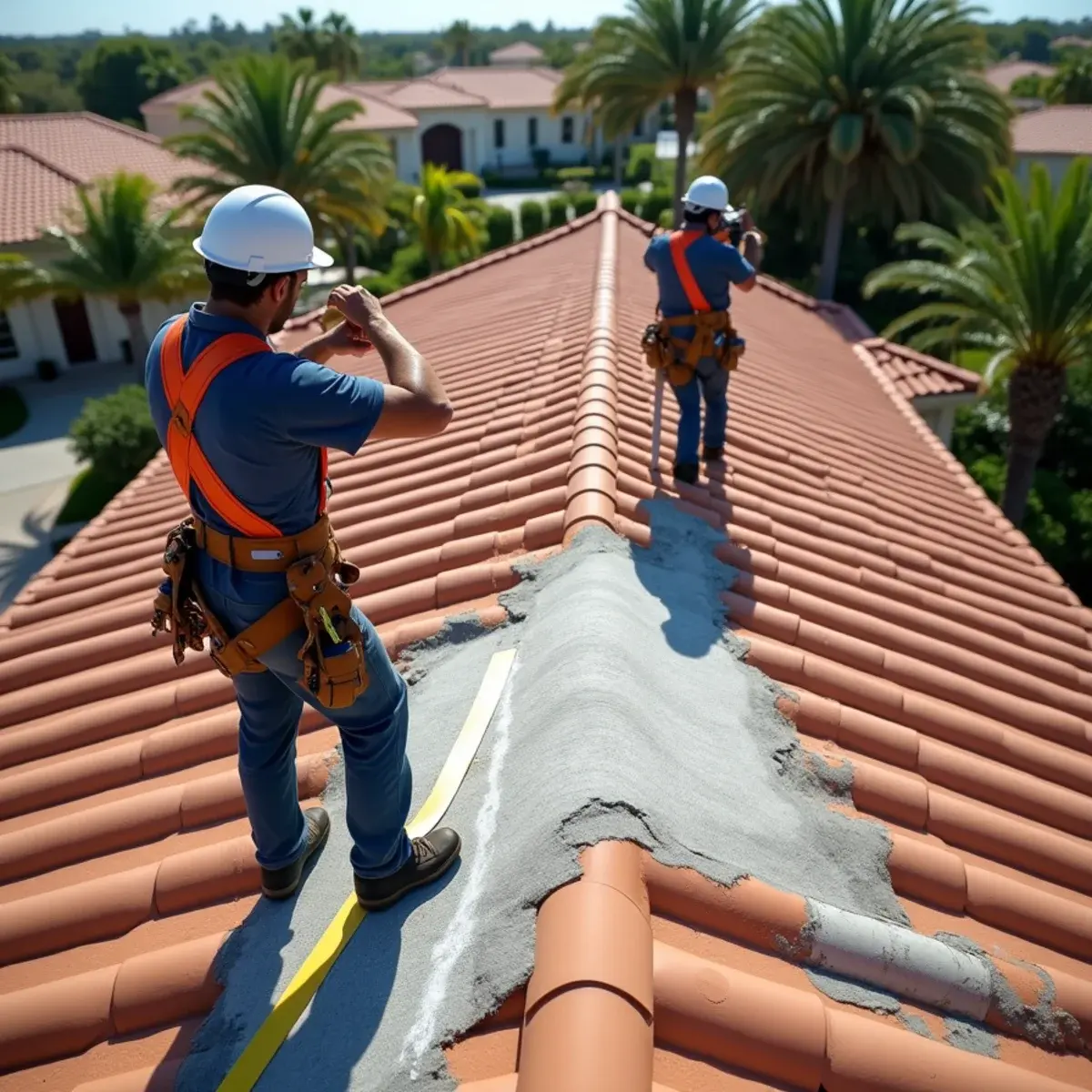
Florida's 25% roof rule used to mean that if more than a quarter of a roof section needed repair within 12 months, the whole section had to be brought up to the current building code, which usually meant a full reroof. Since a 2022 change in state law, that is no longer true for roofs built, repaired or replaced under the 2007 Florida Building Code or later: only the damaged part has to meet current code.
Roofs installed under an earlier code edition can still be pushed into full replacement. Here is how the rule works, who decides, and why your permit records matter. This is general information, not legal advice.
What the 25% Rule Said Before 2022
The rule comes from the Florida Building Code's provisions for existing buildings. In plain terms, when more than 25% of a roof section was repaired, replaced or recovered within any 12-month period, the entire section had to be redone to meet the code in force at that time.
In practice, a roof losing a large patch of tile, or several smaller areas over the same year, could cross the line and turn a repair into a reroof of that whole section.
The 12-month window matters. Repairs add up, so two moderate repairs a few months apart can count together.
The 2022 Change: SB 4-D and Section 553.844
In 2022 the Legislature passed SB 4-D, which amended section 553.844 of the Florida Statutes. For a roof that was built, repaired or replaced under the 2007 Florida Building Code or a later edition, the law now says that when 25% or more of it is repaired, replaced or recovered, only the portion being worked on has to be brought to current code. The rest of the roof can stay as it is.
The law left older roofs where they were. A roof last installed under an edition before 2007 can still be required to meet current code across the whole section once repairs pass 25%.
| Roof last installed under | Repair over 25% of a section in 12 months | Likely result |
|---|---|---|
| 2007 Florida Building Code or later | Damaged portion repaired to current code | Repair is usually possible |
| An earlier code edition | Whole section must meet current code | Often a full reroof of that section |
| Unknown (no permit record) | The building department decides | Expect questions; records help |
The code edition is tied to the permit, not to the year on a calendar. The 2007 Florida Building Code took effect on March 1, 2009, so a roof called "2007" or "2008" by its owner was usually permitted under the earlier edition. Many Boca Raton roofs replaced in the wave after Hurricane Wilma fall on the older side of that line, and the permit date is what settles it.
How Your Roofer and the Building Department Decide
No homeowner or roofer simply declares that a roof is under or over the limit. The decision runs through the permit process.
What the roofer does
- Checks the permit history for your address to find when the current roof was installed and under which code edition.
- Measures the damaged area and the area of the roof section it sits in.
- Adds any repairs made to the same section in the past 12 months.
- Writes the permit application to describe the actual scope: a repair, a partial reroof or a full reroof.
What the building department does
The building official reviews the application and has the final word on whether the work is a repair or must be treated as a reroof. Inside Boca Raton city limits that is the city's building department; West Boca addresses in unincorporated areas go through Palm Beach County.
South of the county line the process adds steps. In Deerfield Beach and the rest of Broward's High-Velocity Hurricane Zone, any new roofing has to use products with a Miami-Dade Notice of Acceptance or HVHZ-approved Florida Product Approval, HVHZ installation rules apply, and inspections are stricter, often including in-progress checks of the underlayment and tile.
What Counts as a Roof Section
The 25% is measured against a roof section, not the whole house. The code treats a section as an area divided from the rest of the roof by expansion joints, parapet walls, flashing (other than valley flashing), a difference in elevation (other than hips and ridges), a change in roof type, or the legal description of the property. Hips, ridges and valleys do not split a roof into sections.
In practice on a Boca Raton home, that usually looks like this:
- The main tile roof is often one section, even with several hips and valleys.
- A flat roof over a patio, garage or addition is usually its own section because the roof type changes.
- A lower roof at a different elevation, such as a single-story wing on a two-story house, may be treated separately.
The legal-description divider matters on attached homes. On a row of townhouses, each owner's lot can make that unit's roof its own section, while a condo building under one legal description is usually treated as one roof.
Because sections can be smaller than the whole roof, a modest repair on a small section can cross 25% quickly. Your roofer confirms how the sections are counted with the building department before the permit is filed.
How Flat Roof Sections Fit In
Most homes here pair a tile roof with at least one flat or low-slope area, and that flat section is where the rule often comes up first. Flat roofs tend to wear out sooner than tile, so an owner may need most of the patio roof redone while the main roof is fine.
Since the flat section is usually counted on its own, replacing most or all of it does not by itself pull the tile roof into a reroof. What it does do is require a proper tie-in where the flat roof meets the tile, and that joint is often the weakest point on the house. Our flat roof repair page covers how roofers handle that transition and when a flat section is better replaced than patched.
If the flat roof predates the 2007 code, repairs over 25% of it can mean replacing the whole flat section, which on a small patio roof is often sensible anyway.
Why Permits and Inspection Records Matter
The 2022 change only helps if you can show the roof qualifies. A permit with a final inspection is the clearest proof of when the roof was installed and which code it was built to. Without it, the building department may treat the roof as older, and future buyers or insurers will ask the same question.
Keep copies of the permit, the final inspection and any wind mitigation report. If your insurer raises the roof's age, our post on roof age and Florida home insurance explains how that separate law works. The 25% rule is a building code matter; your policy and your insurer decide coverage, and nothing about the rule promises any insurance outcome.
When the numbers point to a full reroof, our roof replacement page walks through materials, permits and the process. If the tile is sound and only the waterproof layer underneath is worn, a tile roof underlayment replacement can bring that layer up to current code while reusing the tile.
How a Roofer Works Out the 25% on a Real Boca Raton Roof
On paper the rule is a percentage. On a roof it is a measuring and paperwork exercise, and a careful roofer does it before quoting.
1. Pull the permit history
The first question is which code edition the roof was built under, so the roofer looks up the original roof permit and any later ones with the City of Boca Raton or, for West Boca, Palm Beach County. A permit issued on or after March 1, 2009 under the 2007 code or later changes the whole conversation.
2. Map the sections
Next comes a rough roof plan: the main tile roof, any flat sections, lower wings at a different height, and on attached homes the lot lines. Each section's area is measured separately.
3. Measure the repair, including the last 12 months
The repair area is compared with its own section, and any other work on that section in the previous 12 months is added in. Splitting one job into two small permits a few weeks apart does not reset the count.
4. Leave out the tie-in
Removing and reinstalling tile or membrane only to tie the repaired area into the untouched roof is generally not counted toward the 25%; the Florida Building Commission addressed this in a 2021 declaratory statement. Your roofer confirms how the local building department applies it.
5. Put it in writing
The estimate should say which code edition applies, which section is involved and why the scope is a repair or a section replacement. That page is worth keeping with the permit.
Frequently asked questions
Does the 25% rule apply to my roof?
It depends on when your roof was last installed and under which code edition. If it was built, repaired or replaced under the 2007 Florida Building Code or later, only the repaired portion has to meet current code. If it was installed under an earlier edition, repairs over 25% of a section in 12 months can still require the whole section to be redone. Your permit history answers the question.
Can I split a big repair into smaller jobs to stay under 25%?
Not really. The rule counts all repairs to the same roof section within a 12-month period, so separate jobs a few months apart add together. Splitting work to avoid a permit also leaves no inspection record, which causes problems later with buyers, insurers and the building department. A roofer will permit the real scope of the work.
Do tie-in areas count toward the 25%?
Generally not. Removing and reinstalling roofing only to connect the repaired area to the part of the roof that isn't being worked on is not counted toward the 25%, a point the Florida Building Commission addressed in a 2021 declaratory statement. The building department makes the final call, so your roofer confirms how it is applied on your permit.
Does the 25% rule decide whether insurance covers a new roof?
No. The 25% rule is part of the building code and decides what the repair has to look like to pass inspection. Coverage is a separate question set by your policy and your insurer, and a roofer cannot interpret your policy for you. Check with your insurer about how they handle roof repairs and replacement.
The bottom line
The 25% rule is far less likely to force a reroof than it was before 2022, but only for roofs installed under the 2007 code or later. If your roof is older, or you are not sure which code it was built to, a roofer can pull the permit history, measure the sections and tell you what the building department is likely to require. Call Boca Tile Roof Repair at (773) 207-0769 to talk it through and arrange a visit.